Academic Rights International is an independent advocacy and policy organisation working to restore procedural integrity in education systems worldwide.
In many institutions, reporting misconduct means navigating systems where administrators investigate colleagues, informal relationships override formal procedure, and students who speak up face retaliation with no meaningful recourse.
Academic Rights International was founded on the principle that governance failure can be documented, challenged, and changed.
Academic Rights International connects grassroots capacity-building with policy engagement, training students in formal advocacy methods while simultaneously converting documented cases into regulatory reform proposals at the institutional level.
Operating across 26 countries, Academic Rights International applies comparative governance insight to identify systemic gaps that no single institution or national authority has been able to close.
Students deserve transparent reporting systems, proportionate disciplinary frameworks, and meaningful protection against retaliation.
Sustainable change requires documented patterns. Academic Rights International grounds every advocacy initiative in case evidence and comparative research before engaging policymakers.
Institutional decisions affecting students must follow consistent procedural standards. Conclusions drawn without proper process carry no legitimate authority.
Students are stakeholders in education. Their informed participation in institutional processes does not threaten authority.
Academic Rights International has operaterations in both grassroot and insitutional reform.
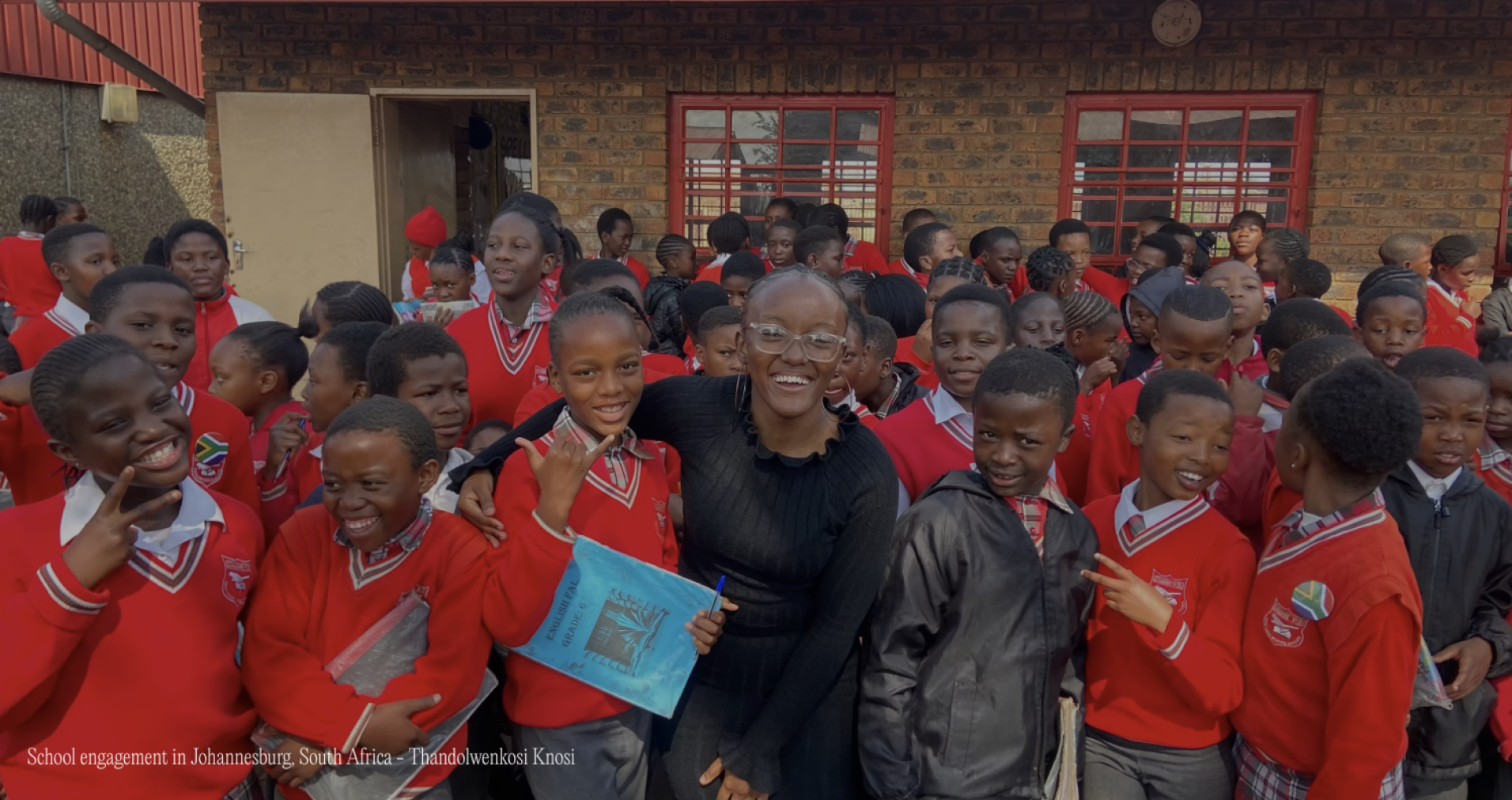
Formal debate-based advocacy training and chapters equip individuals with the skills to navigate institutional systems.
Case documentation, procedural review, and strategic escalation through appropriate governance channels creates longterm change that helps students feel safe.
Aggregated case data is converted into targeted legislative and regulatory reform proposals. Individual cases become systemic evidence. Systemic evidence becomes structural change.
"Every student who cannot safely report misconduct is a failure of institutional design, not personal resilience."
Academic Rights International exists because accountability in education cannot depend on the courage of individuals alone. It must be built into the system.
Academic Rights International trains students in formal advocacy, debate-based skills, and institutional navigation before anything goes wrong.
Students who encounter misconduct bring structured cases. Academic Rights International establishes a formal record.
Cases move through appropriate governance channels and esculated if needed.
Aggregated case patterns become long-term research and targeted policy proposals. Individual cases become systemic evidence.